

Categories
- Antiques & Collectibles 13
- Architecture 36
- Art 48
- Bibles 22
- Biography & Autobiography 815
- Body, Mind & Spirit 144
- Business & Economics 28
- Children's Books 15
- Children's Fiction 12
- Computers 4
- Cooking 94
- Crafts & Hobbies 4
- Drama 346
- Education 63
- Family & Relationships 59
- Fiction 11841
- Foreign Language Study 1
- Games 19
- Gardening 17
- Health & Fitness 35
- History 1382
- House & Home 1
- Humor 147
- Juvenile Fiction 1877
- Juvenile Nonfiction 202
- Language Arts & Disciplines 89
- Law 16
- Literary Collections 687
- Literary Criticism 179
- Mathematics 13
- Medical 43
- Music 40
- Nature 181
- Non-Classifiable 1768
- Performing Arts 7
- Periodicals 1453
- Philosophy 65
- Photography 2
- Poetry 897
- Political Science 205
- Psychology 44
- Reference 154
- Religion 516
- Science 128
- Self-Help 86
- Social Science 83
- Sports & Recreation 34
- Study Aids 3
- Technology & Engineering 60
- Transportation 23
- Travel 463
- True Crime 29
Albert Venn Dicey
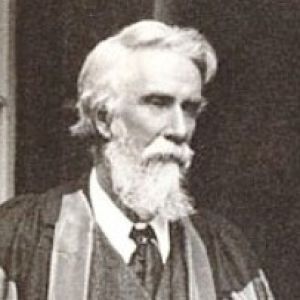
Albert Venn Dicey (1835–1922) was a British jurist and constitutional theorist known for his influential works on constitutional law. He is most famous for his book "Introduction to the Study of the Law of the Constitution" (1885), where he outlined key principles like parliamentary sovereignty and the rule of law. Dicey argued that the British Parliament holds supreme authority and that no person or body can override its laws. His writings continue to shape discussions on constitutional theory, particularly in the United Kingdom.
Author's Books:
Sort by:

CHAPTER I. NATURE OF THE ARGUMENT.Aim and line of argumentMy aim is to criticise from a purely English point of view the policy of Home Rule, or the proposal to create a more or less independent Parliament in Ireland; and as a result of such criticism to establish the truth, and develop the consequences, of this proposition—namely, that any system of Home Rule, whatever be the form it takes, is less...
more...
Introduction Irish Unionists have pressed for a republication of A Leap in the Dark. They hold that it will be of some service in their resistance to the Coalition of Home Rulers, Socialists, and Separatists formed to force upon the people of England and of Scotland a virtual dissolution of the Union between Great Britain and Ireland. It would in any case have been a pleasure to afford aid, however...
more...