

Categories
- Antiques & Collectibles 13
- Architecture 36
- Art 48
- Bibles 22
- Biography & Autobiography 815
- Body, Mind & Spirit 145
- Business & Economics 28
- Children's Books 15
- Children's Fiction 12
- Computers 4
- Cooking 94
- Crafts & Hobbies 4
- Drama 346
- Education 63
- Family & Relationships 59
- Fiction 11841
- Foreign Language Study 1
- Games 19
- Gardening 17
- Health & Fitness 35
- History 1382
- House & Home 1
- Humor 147
- Juvenile Fiction 1880
- Juvenile Nonfiction 202
- Language Arts & Disciplines 89
- Law 16
- Literary Collections 687
- Literary Criticism 179
- Mathematics 13
- Medical 43
- Music 40
- Nature 181
- Non-Classifiable 1768
- Performing Arts 7
- Periodicals 1453
- Philosophy 65
- Photography 2
- Poetry 897
- Political Science 205
- Psychology 44
- Reference 154
- Religion 516
- Science 128
- Self-Help 87
- Social Science 83
- Sports & Recreation 34
- Study Aids 3
- Technology & Engineering 60
- Transportation 23
- Travel 463
- True Crime 29
Albert G. Mackey
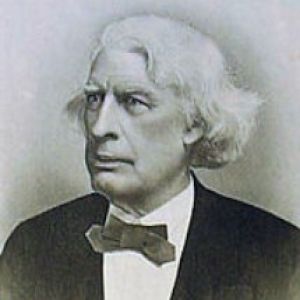
Albert G. Mackey (1807–1881) was an American physician, historian, and prolific author, best known for his influential works on Freemasonry. A prominent figure in Masonic scholarship, he wrote extensively about the history, rituals, and symbolism of Freemasonry, contributing to its modern interpretations. His most well-known works include "The Symbolism of Freemasonry" and "The Encyclopedia of Freemasonry." Mackey's writings remain a foundational reference for Freemasons and scholars interested in Masonic traditions and esoteric studies.
Author's Books:
Sort by:

by:
Albert G. Mackey
I. Preliminary. The Origin and Progress of Freemasonry. Any inquiry into the symbolism and philosophy of Freemasonry must necessarily be preceded by a brief investigation of the origin and history of the institution. Ancient and universal as it is, whence did it arise? What were the accidents connected with its birth? From what kindred or similar association did it spring? Or was it original and...
more...
by:
Albert G. Mackey
Chapter I. Historical Sketch. Grand Lodges under their present organization, are, in respect to the antiquity of the Order, of a comparatively modern date. We hear of no such bodies in the earlier ages of the institution. Tradition informs us, that originally it was governed by the despotic authority of a few chiefs. At the building of the temple, we have reason to believe that King Solomon exercised...
more...