

Categories
- Antiques & Collectibles 13
- Architecture 36
- Art 48
- Bibles 22
- Biography & Autobiography 815
- Body, Mind & Spirit 145
- Business & Economics 28
- Children's Books 15
- Children's Fiction 12
- Computers 4
- Cooking 94
- Crafts & Hobbies 4
- Drama 346
- Education 63
- Family & Relationships 59
- Fiction 11841
- Foreign Language Study 1
- Games 19
- Gardening 17
- Health & Fitness 35
- History 1382
- House & Home 1
- Humor 147
- Juvenile Fiction 1880
- Juvenile Nonfiction 202
- Language Arts & Disciplines 89
- Law 16
- Literary Collections 687
- Literary Criticism 179
- Mathematics 13
- Medical 43
- Music 40
- Nature 181
- Non-Classifiable 1768
- Performing Arts 7
- Periodicals 1453
- Philosophy 65
- Photography 2
- Poetry 897
- Political Science 205
- Psychology 44
- Reference 154
- Religion 516
- Science 128
- Self-Help 87
- Social Science 83
- Sports & Recreation 34
- Study Aids 3
- Technology & Engineering 60
- Transportation 23
- Travel 463
- True Crime 29
A. (Arthur) Clutton-Brock
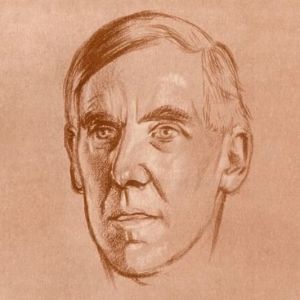
Arthur Clutton-Brock (1868–1924) was a British essayist, critic, and author known for his writings on art, literature, and culture. He contributed to several publications, including "The Times Literary Supplement" and "The New Statesman." Clutton-Brock is perhaps best known for his work "William Morris: His Work and Influence," where he explored the life and contributions of the influential British designer and social thinker. His essays often reflected a deep appreciation for beauty, craftsmanship, and the role of the arts in society.
Author's Books:
Sort by:
ESSAYS ON ART "The Adoration of the Magi" There is one beauty of nature and another of art, and many attempts have been made to explain the difference between them. Signor Croce's theory, now much in favour, is that nature provides only the raw material for art. The beginning of the artistic process is the perception of beauty in nature; but an artist does not see beauty as he sees a cow....
more...
HISTORY OF THE SEE AND CITY At York the city did not grow up round the cathedral as at Ely or Lincoln, for York, like Rome or Athens, is an immemorial—a prehistoric—city; though like them it has legends of its foundation. Geoffrey of Monmouth, whose knowledge of Britain before the Roman occupation is not shared by our modern historians, gives the following account of its beginning:—"Ebraucus,...
more...